
A waterfront event in Vancouver always creates a unique atmosphere: ocean sunsets, fresh air, stunning views, and photos your guests will remember long after the celebration ends. Whether it’s a wedding, corporate event, birthday party, or private gathering, waterfront venues bring a sense of escape and make any occasion feel more special.
However, organizing an event by the water requires more planning than hosting one in a traditional indoor venue. Before the first guest arrives, it’s important to consider access to the location, ground conditions, power availability, wind and weather factors, vendor logistics, lighting after sunset, and safety measures near the water.
The VanEvents team has put together 10 essential tips to help you choose the perfect waterfront venue in Vancouver and avoid common mistakes when planning an event by the water.
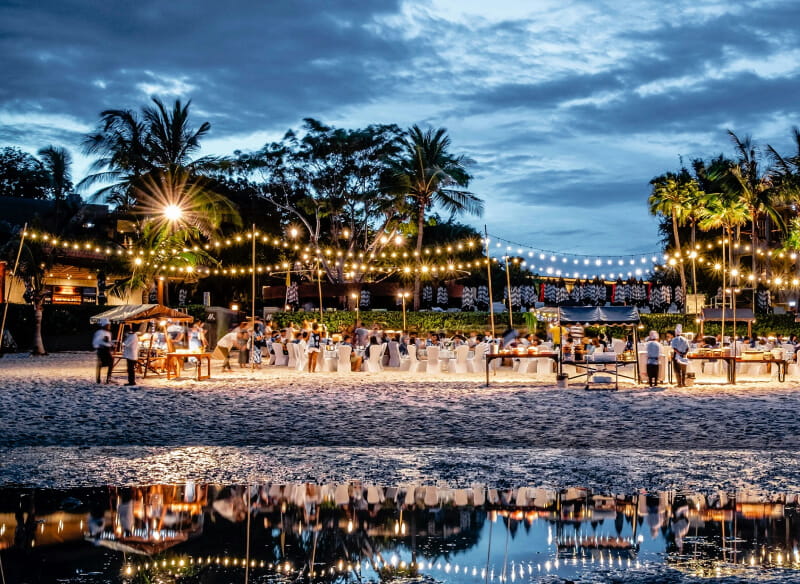
1. Visit the Venue at the Same Time of Day as Your Event
During the day, a waterfront venue practically sells itself: natural light, fresh air, reflections on the water, and stunning photos from the shoreline or pier. But your event may start in daylight while the biggest challenges only appear later in the evening — when it gets dark, the wind changes, guests walk toward the water with drinks in hand, and your team is already operating at full speed.
That’s why it’s important to visit the venue at the same time your guests will actually experience it. If your welcome reception starts at 6:00 PM, dinner begins at 8:00 PM, and the celebration continues after sunset, a daytime walkthrough alone is not enough.
Event planners should identify where darkness becomes an issue, which steps become difficult to see, where water reflections create glare, where the wind becomes stronger, how music carries across the space, and whether guests can easily find the bar, restrooms, exits, and the waterfront itself.
Pay special attention to guest movement after sunset. Guests will walk toward the water for photos, look for smoking areas, return from the restrooms, head to their rides home, or step away from loud music for a quiet conversation. These are exactly the moments when risks appear: slippery decking, poorly lit stairs, hidden edges, wet grass, or narrow walkways near the water.
A simple test works best: walk the entire guest journey after dark without using a flashlight or asking for directions. If you feel the need to pull out your phone for light, slow down, or ask where to go, your guests will likely feel the same way.
It’s much better to identify these issues before setup day than to explain during the event why that beautiful pier suddenly became a dark and unsafe area.
2. Walk the Entire Guest Journey to the View Everyone Came For
A waterfront venue may look perfect from the exact spot where the venue manager points out the sunset view. But guests reach that location through parking lots, gates, stairways, gravel paths, grass, sand, floating docks, or wet boardwalks. If the journey feels inconvenient, even the best view won’t save the first impression.
Walk the complete guest route from start to finish:
- Where do guests get dropped off?
- Who greets them?
- Where do they get their first drink?
- Where do they leave coats or personal belongings?
- How do they find the restrooms?
- How do they return to the main event area?
- Where do they wait for transportation at the end of the evening?
Try to do this as if you’ve never visited the venue before — not with a site map in hand, but by relying on signage and visual cues just like your guests will.
Common frustrations include:
- High heels sinking into grass.
- Light-colored shoes getting dirty in sand.
- Walking on gravel while holding a drink.
- Narrow bridges creating bottlenecks.
- Slippery decking after rain.
- Long walks to restrooms that feel even longer once it’s dark and cool outside.
Vendor logistics are equally important. Caterers, entertainers, technicians, and decorators move through the same venue carrying equipment, cables, staging elements, and food supplies. If they must navigate around guests, cross sand, or carry equipment up narrow staircases, setup and service can quickly become inefficient.
A useful test is to walk the venue with occupied hands. Carry a drink, a bag, a clipboard, or a box while moving from the entrance to the reception area, from the reception to the waterfront, from the waterfront to the restrooms, and finally to the exit.
Anywhere you feel the need to slow down, hold onto something, use your phone for light, or ask for assistance should be improved before event day.
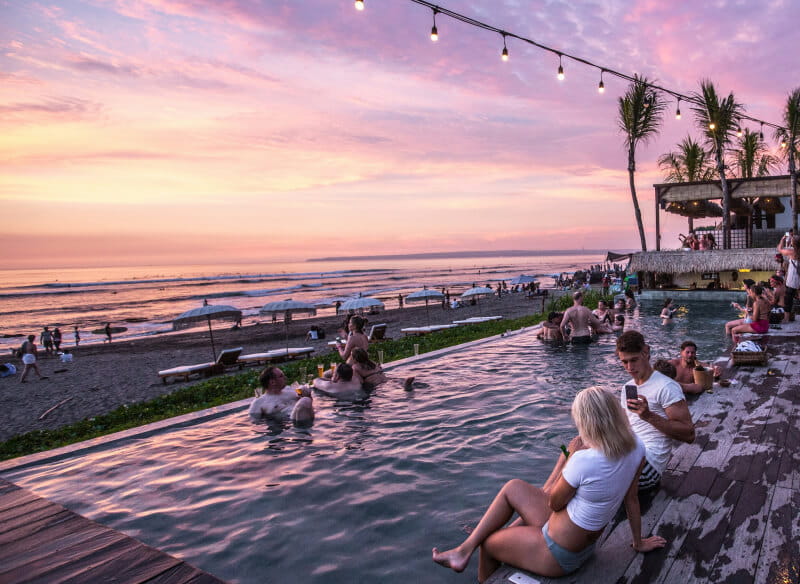
3. Identify Areas Where Guests Can Get Too Close to the Water
At waterfront venues, the most dangerous areas are often the most attractive for photographs. The edge of a pier, a low barrier, a staircase leading to the water, a narrow path along the shoreline, floating docks, or marina access points quickly become popular gathering spots — especially after the welcome reception, when guests have drinks in one hand and phones in the other.
Walk the venue in advance and identify every location where someone could unintentionally get too close to the water.
Most importantly, view the venue through the eyes of a guest, not a venue employee. Guests are visiting for the first time. They may be talking with friends, checking their phones, searching for the perfect photo angle, listening to music, guiding children, or carrying food and drinks.
For each location, decide what action is needed:
- Additional lighting.
- Removing seating near the edge.
- Decorative planters acting as barriers.
- Ropes or stanchions.
- Temporary fencing.
- Event staff positioned nearby.
- Restricting access after a certain time of night.
This becomes especially important when alcohol, dancing, and darkness are involved.
Another common risk is the “semi-restricted” area. A staircase to the water may not be part of the guest flow but remains physically accessible. A service corridor might look like a pathway to a photo location. Never assume guests will automatically know where they should or shouldn’t go.
Guests only understand what is clearly lit, signposted, blocked off, or communicated by staff.
One of the best questions to ask during a site inspection is:
“Where would a guest go to take a photo by the water if they didn’t ask for permission?”
The answer often reveals weaknesses in a venue layout faster than any floor plan ever will.
4. Don’t Place the Bar, Photo Area, and Best View in the Same Spot
Almost every waterfront venue has one location that naturally attracts guests. It offers the best sunset views, beautiful lighting, the sound of the water, and the perfect backdrop for photos. Event planners should assume that this area will quickly become the busiest part of the venue, even if it looks spacious on the floor plan.
A common mistake is placing the bar, photo area, lounge furniture, large décor installations, and the main access to the waterfront all in the same location.
At first, everything looks perfect. Then guests start lining up for drinks, others stop for photos, some wait for friends, and servers try to move through the crowd with trays. Within an hour, the venue’s most beautiful feature turns into its biggest traffic bottleneck.
The best waterfront views should encourage short visits — guests arrive, enjoy the scenery, take photos, and continue exploring the event.
Consider moving the bar slightly away from the main viewing area so queues don’t block walkways. Position the photo area so guests aren’t standing directly at the water’s edge, and arrange lounge seating to face inward toward the event rather than encouraging people to move furniture closer to the waterfront.
Smoking areas deserve special attention as well. If the smoking area happens to share the venue’s best view, it can quickly become permanently crowded. Guests may gather near the water with drinks, phones, and cigarettes, staying much longer than expected and creating unnecessary congestion.
A designated smoking area should have proper lighting, waste bins, a clear path back to the event, and no direct access to the water’s edge.
A simple test works well here:
“What will be happening in this exact location one hour after the event begins?”
If the answer includes drinks, photos, guest arrivals, waiting areas, smoking, transportation pickups, and sightseeing, the space needs to be redistributed before setup begins.
5. Always Plan for Wind
If you’re organizing an event by the water in Vancouver, wind can create problems that would never exist indoors.
Wind lifts tablecloths, blows away napkins, extinguishes candles, moves signage, tips lightweight displays, sends seating cards flying, and makes it difficult for guests to hear speeches or presentations.
That’s why wind conditions should be considered before finalizing décor, stage layouts, audio systems, and catering plans.
During your site visit, ask venue staff:
- Which direction does the wind usually come from in the evening?
- Which areas experience the strongest gusts?
- What challenges occurred during previous events?
- Which locations should avoid lightweight structures?
Waterfront décor requires stronger anchoring than most people expect.
Ceremony arches, backdrops, signage, photo installations, flags, fabrics, floral arrangements, and directional displays shouldn’t simply look beautiful — they must remain stable throughout the event.
If something can move, fall, shake, or create noise in the wind, it will distract guests and create additional stress for your event team.
Food service also needs adjustment for outdoor conditions. Lightweight appetizers, open displays, paper cups, napkins, menu cards, and delicate glassware require additional planning.
In many cases, sturdier tableware, covered food stations, heavier menu holders, and more secure presentation methods work much better than designs intended for perfectly calm weather.
Sound and staging deserve special attention as well.
Wind carries sound away from guests, while waves and open spaces absorb speech and reduce audio clarity. Microphones can also pick up unwanted background noise.
If your event includes speeches, ceremonies, awards presentations, live entertainment, or performances, your technical team should test speaker placement and microphone protection in advance.
A useful exercise is to ask:
“What happens if the wind becomes twice as strong as expected?”
Anything that could move, fall, flap, create noise, or interfere with guests should be secured, redesigned, or removed before event day.
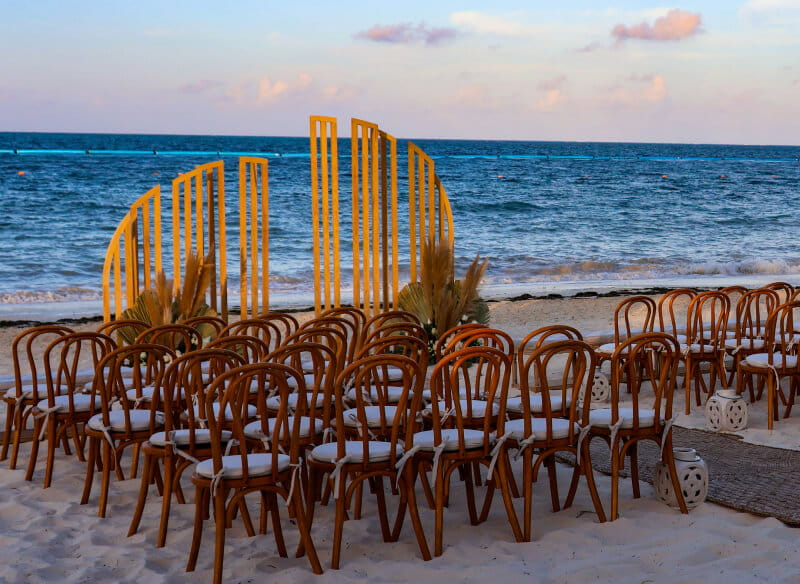
6. Plan for Cooler Temperatures After Sunset
Temperatures near the water feel very different than they do inland.
Guests may arrive on a warm summer afternoon wearing light dresses, shirts, and sandals, expecting comfortable weather throughout the evening. After sunset, however, waterfront areas cool down quickly, and the wind often becomes much more noticeable.
Before long, guests start searching for warmer seating areas, looking for blankets, or considering leaving earlier than planned.
If you’re planning a waterfront event in Vancouver, it’s best to prepare for this in advance.
Blankets, patio heaters, sheltered spaces, hot beverages, and easy access to indoor areas can make a significant difference in guest comfort.
These details may seem minor during planning, but once guests become cold, they pay less attention to the program, socialize less, spend less time outdoors, and begin to view the venue as inconvenient.
Pay particular attention to locations where guests remain stationary for longer periods:
- Ceremony spaces
- Welcome receptions
- Cocktail hours
- Live performances
- Award presentations
- Boat boarding areas
- Transportation pickup locations
If these areas lack protection from the wind or access to warmth, it may be worth shortening those portions of the program or moving some activities indoors.
Event staff also need protection from changing weather conditions.
Servers, coordinators, security teams, entertainers, and technicians spend far more time outdoors than guests do. If they become cold, wet, or spend hours working on an exposed pier, service quality and efficiency can quickly decline.
One of the best questions to ask during your site visit is:
“Where will guests be two hours after sunset, and could they comfortably remain there for 10 to 15 minutes?”
If the answer isn’t clear, your event plan probably needs a backup warm-weather strategy.
7. Make Sure Your Equipment Can Handle Moisture, Ocean Air, and Outdoor Conditions
When planning a waterfront event in Vancouver, technology and equipment face challenges that indoor venues rarely experience. Moisture, ocean air, water spray, wet surfaces, grass, temperature changes, and guests carrying drinks all increase the risk of technical issues.
Checking power outlets and electrical capacity alone isn’t enough.
Your event team should know:
- Where cables will run.
- Which guest pathways cross those cable routes.
- How wiring will be protected and covered.
- Where speakers and lighting equipment will be placed.
- How power connections will be protected from moisture.
- What the backup plan is if rain arrives unexpectedly.
Generators deserve special attention during outdoor event planning in Vancouver.
They’re often positioned wherever is most convenient for technicians, only for guests to spend the evening listening to engine noise next to the lounge area, cocktail bar, or ceremony space.
The ideal location keeps the generator accessible for the technical crew while minimizing noise near guest areas and preserving the atmosphere of your Vancouver waterfront event.
Lighting is about much more than aesthetics.
Guests need proper illumination for:
- Stairs and elevation changes.
- Piers and docks.
- Waterfront walkways.
- Restrooms.
- Smoking areas.
- Bar locations.
- Transportation pickup zones.
Decorative string lights may create ambiance, but they rarely provide enough visibility for guests moving around after sunset.
Professional event lighting should improve both atmosphere and safety.
Most importantly, your AV and production team should visit the venue in person before event day.
Not through photos.
Not through floor plans.
Not through a venue brochure.
An on-site visit quickly reveals where cables cross guest pathways, where lighting towers sit too close to the water, where wind affects speaker placement, and where power sources are located much farther away than expected.
8. Decide in Advance Who Will Watch Waterfront Areas Once Alcohol Is Served
Alcohol and water require extra attention at any waterfront event in Vancouver.
After a few drinks, guests naturally become more adventurous. They step away from the main event space, look for scenic photo opportunities, sit on dock edges, explore piers, or wander into areas that were never intended for guest access.
Planning for this behavior is part of responsible event management.
Your venue should have:
- Clearly marked guest routes.
- Proper lighting near the water.
- Restricted access to technical and service areas.
- Team members available to redirect guests when necessary.
This doesn’t mean strict security or an uncomfortable atmosphere.
Often, simple actions make the biggest difference:
- Suggesting a safer photo location.
- Opening an alternative pathway.
- Politely stopping someone from sitting on a dock edge.
- Redirecting guests away from restricted areas.
Special attention is needed after major moments in the event timeline:
- The final toast.
- Dancing.
- Fireworks displays.
- Boat departures.
- Live entertainment finales.
These are the moments when guests relax, move in groups, pay less attention to their surroundings, and head toward the most scenic parts of the venue.
If your Vancouver event venue includes docks, marinas, pools, or direct waterfront access, consider keeping a staff member near those areas until the event concludes.
Bar placement also matters.
A cocktail bar positioned directly beside the water often creates large crowds and encourages guests to linger near the edge with drinks in hand.
A useful planning exercise is to ask:
“Where will the most energetic guest be three hours into the event?”
Where will they take photos?
Where will they sit?
How will they return to their table?
The answers usually reveal potential risks long before guests arrive.
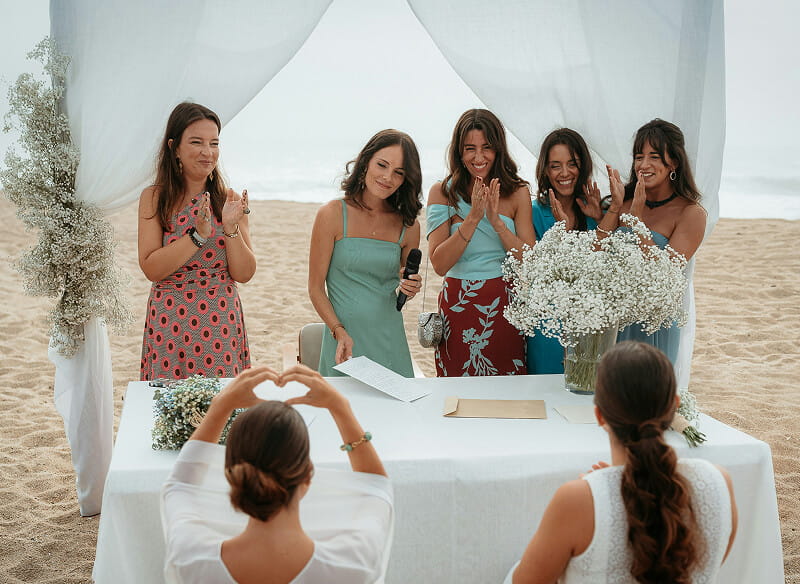
9. Check for Insects, Odors, and Water Conditions
Some of the biggest challenges at waterfront venues in Vancouver never appear in marketing photos.
Depending on the season and location, you may encounter:
- Mosquitoes after sunset.
- Small flying insects near the shoreline.
- Ocean odors during warmer periods.
- Noise from boats and marine traffic.
- Floating debris near docks and marinas.
- Activity from paddleboards, kayaks, and sightseeing vessels.
A venue inspection during the day may look perfect, but by dinner service guests could already be waving away insects or asking to move farther from the water.
Ask your venue team:
- When do mosquitoes become active?
- Are insects common after sunset?
- Are there seasonal odors during hot weather?
- Does wind push debris toward the shoreline?
- Is nearby marine traffic common in the evenings?
- Are there noise issues from neighboring docks or marinas?
Sometimes small adjustments make a huge difference.
Moving dining tables slightly farther from the shoreline, repositioning the bar, adding insect repellent stations, or providing citronella candles can dramatically improve guest comfort.
Evening site visits are especially valuable because mosquitoes and insects rarely appear during midday inspections.
One of the best questions to ask is:
“What typically causes guest complaints at this waterfront venue during July, August, and September?”
The answer may include insects after sunset, marina traffic, slippery grass after irrigation, or noise from nearby boats.
It’s far better to learn these details during planning than during dinner service.
10. Ask the Venue What Has Gone Wrong in the Past
One of the most valuable questions during a site visit is:
“What problems do waterfront events in Vancouver most commonly experience at this venue?”
Not:
“Is everything convenient?”
Not:
“Do you ever have challenges?”
Ask directly.
What has delayed schedules?
What frustrated guests?
What complicated setup?
What forced last-minute changes?
Every waterfront venue knows its own weak points.
Maybe it’s:
- Slippery decking after rain.
- Poor cellular coverage.
- Areas that become dark earlier than expected.
- Guest confusion around entrances.
- Long distances to restrooms.
- Service delays between kitchens and dining areas.
- Generator noise.
- Wind affecting décor.
- Guests becoming cold after sunset.
Speak with more than just the sales representative.
Operations managers, banquet managers, technicians, security teams, and event coordinators often have the most valuable insights because they experience the venue during real events rather than presentations and tours.
Another excellent question is:
“If you were personally organizing an event here, what would you do differently?”
The answer often saves hours of planning and prevents costly mistakes.
They may recommend:
- Moving the cocktail reception closer to the entrance.
- Relocating dinner service away from the shoreline.
- Adding additional lighting near restrooms.
- Allowing more setup time.
- Avoiding tall décor installations on exposed piers.
- Ordering blankets for guests after sunset.
When planning a waterfront event in Vancouver, ask tougher questions than you would for a traditional ballroom venue.
Beautiful views are easy to showcase.
What matters most are the locations where something has already failed, slipped, created delays, generated noise, or negatively affected the guest experience.
Those are usually the details that separate a good event from an exceptional one.